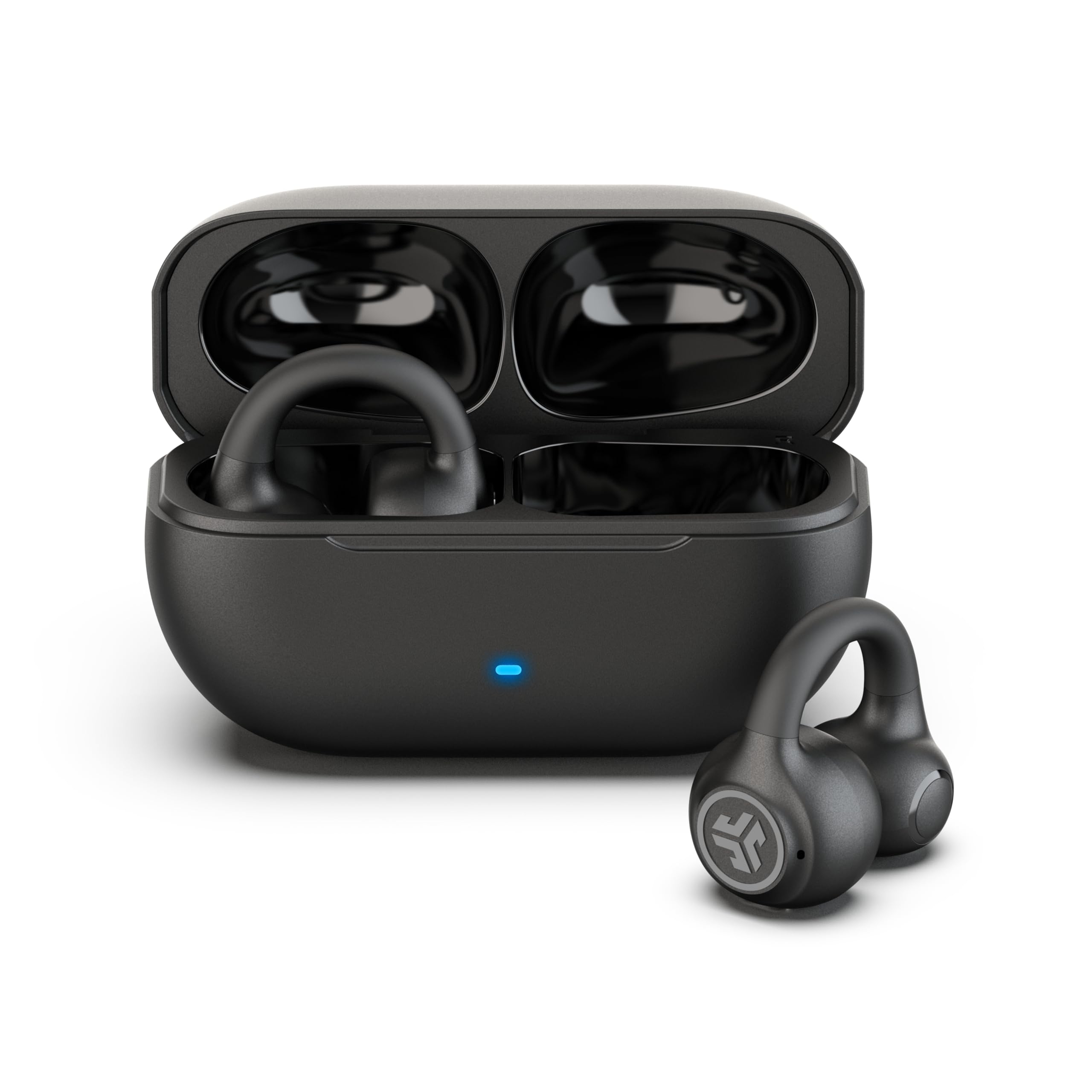
This jlab open earbuds review looks at the JLab Flex, a clip-on pair designed to keep the ear canal open while you listen.
Its mix of a cuff-style fit, app controls, multipoint Bluetooth, and a charging case suits people who move between everyday listening and calls.
JLab Flex Review Summary
The quick verdict
2,000+ ratings
Read Amazon ReviewsJLab Flex Open Earbuds
A clip-on open-ear choice for listeners who want music, calls, and device switching while keeping their ear canals unobstructed.
- Clip-on cuff design wraps around the outer ear, with no ear tips or pressure inside the ear canal.
- Dual 12 mm open-ear speakers sit outside the ear canal and use a bass-boost algorithm.
- More than seven hours of playback per earbud and more than 21 hours total with the charging case.
- Bluetooth 5.3 multipoint supports connections to two devices simultaneously; Google Fast Pair supports Android pairing.

Pros
- Open-ear cuff avoids putting ear tips or a housing inside the ear canal.
- Two-device multipoint can make switching between a phone and computer easier.
Consider before buying
- An open-ear fit does not create the isolation of a sealed in-ear design, so outside sound can compete with audio.
- The cuff-style fit depends on individual ear shape; check that it feels stable and comfortable before relying on it for extended wear.
Read the full review summary
The JLab Flex places its speakers outside the ear canal and wraps each ear with a lightweight clip-on cuff.
That approach may appeal if you dislike in-ear pressure or want to remain more aware of nearby sounds while listening.
The open design also means the experience depends on how well the cuff fits your ear and how much outside noise is present.
Battery life is listed as more than seven hours per earbud and more than 21 hours total with the case. Bluetooth multipoint can connect two devices at once, while the JLab app provides EQ and touch-control customization.
These features make the Flex a practical everyday option for commuting, workouts, and switching between a phone and computer, provided you do not need a sealed listening experience.
The buying factors
JLab Flex Scorecard
Editorial scores reflect listed features and buyer fit; they are not laboratory measurements or customer ratings.
Open-ear comfort design
The cuff sits around the outer ear without ear tips or pressure inside the canal; fit comfort will still depend on individual ear shape.
Battery flexibility
More than seven hours per earbud and more than 21 hours with the case offer useful listening time across a day.
Device switching
Multipoint supports simultaneous connections to two devices, with Fast Pair available for Android pairing.
Sound customization
The app includes EQ settings, and the speakers use a bass-boost algorithm, giving listeners some control over the sound profile.
Call features
A MEMS noise-canceling microphone is included to filter background noise, though call results can vary with surroundings.
Workout readiness
The clip-on fit and IPX4 rating suit sweat and light rain, while the open style lets surrounding sound remain audible.
Key Features and Specifications of JLab Flex
- Clip-on cuff design wraps around the outer ear, with no ear tips or pressure inside the ear canal.
- Dual 12 mm open-ear speakers sit outside the ear canal and use a bass-boost algorithm.
- More than seven hours of playback per earbud and more than 21 hours total with the charging case.
- Bluetooth 5.3 multipoint supports connections to two devices simultaneously; Google Fast Pair supports Android pairing.
- JLab app offers EQ and touch-control customization.
- MEMS noise-canceling microphone is designed to filter background noise during calls.
- IPX4 rating for sweat and light rain; backed by a two-year warranty.
Pros and Cons of JLab Flex
Pros
- Open-ear cuff avoids putting ear tips or a housing inside the ear canal.
- Two-device multipoint can make switching between a phone and computer easier.
- The included case extends total listening time beyond the per-earbud figure.
- App EQ and customizable touch controls allow some personalization.
Consider before buying
- An open-ear fit does not create the isolation of a sealed in-ear design, so outside sound can compete with audio.
- The cuff-style fit depends on individual ear shape; check that it feels stable and comfortable before relying on it for extended wear.
- The IPX4 rating covers sweat and light rain, so buyers needing equipment for heavy water exposure should look for a different protection level.
Who Should Buy JLab Flex?
Good fit
Consider the JLab Flex if you want wireless listening without placing ear tips in your ear canals.
The clip-on cuff is a distinctive fit approach for people who prefer an open feel for commuting, casual exercise, or listening around the house.
Its speaker placement and bass-boost processing are intended to keep audio present while the ears remain unobstructed.
It is also a sensible fit for people who regularly alternate between a phone and another Bluetooth device. Multipoint connection, Android Fast Pair, app EQ, and touch-control customization cover useful day-to-day conveniences.
The case provides more than 21 hours of combined listening time, which can reduce how often you need to recharge during ordinary use.
For calls, the MEMS microphone’s background-noise filtering is a helpful feature to have on paper.
If calls are central to your routine, consider how noisy your usual work or travel setting is and whether an open-ear design suits those conversations.
Who should skip it
Look elsewhere if you want strong passive isolation from traffic, conversation, or other ambient sound. The Flex keeps the ear canal open, so your surroundings remain part of the listening experience.
Choose another option if your routine involves more water exposure than sweat or light rain, or if the cuff does not sit comfortably on your ears.
The useful fit check is simple: wear it for a short session and confirm it stays secure without creating pressure.
JLab Flex Review: How the Open-Ear Design Fits Daily Use
A cuff fit with an open listening feel
The Flex’s clip-on cuff wraps the outer ear while keeping the speaker outside the canal. That may be more comfortable for listeners who dislike in-ear tips, and it leaves ambient sound accessible.
It also means the Flex is not the right format for shutting out a busy environment; volume and clarity can depend on surroundings and fit.
Battery and connections for a mixed-device day
More than seven hours of playback per earbud gives the Flex a useful single-session baseline, while the case raises total listening time to more than 21 hours.
Multipoint support for two devices is particularly practical if you use both a phone and a computer. Fast Pair is an added convenience for Android, while the app handles EQ and touch-control settings.
Calls and light workouts
The MEMS noise-canceling microphone is intended to filter background noise, which can help make calls more manageable while moving through a normal day.
The IPX4 rating is specified for sweat and light rain, and the cuff design is positioned for a secure, lightweight hold.
For workouts, check that the fit remains comfortable during your particular movement and treat the water rating as a boundary rather than a guarantee for harsher conditions.
Alternatives to JLab Flex
Battery-focused alternative
1,000+ ratings
Read Amazon ReviewsSHOKZ OpenDots 2
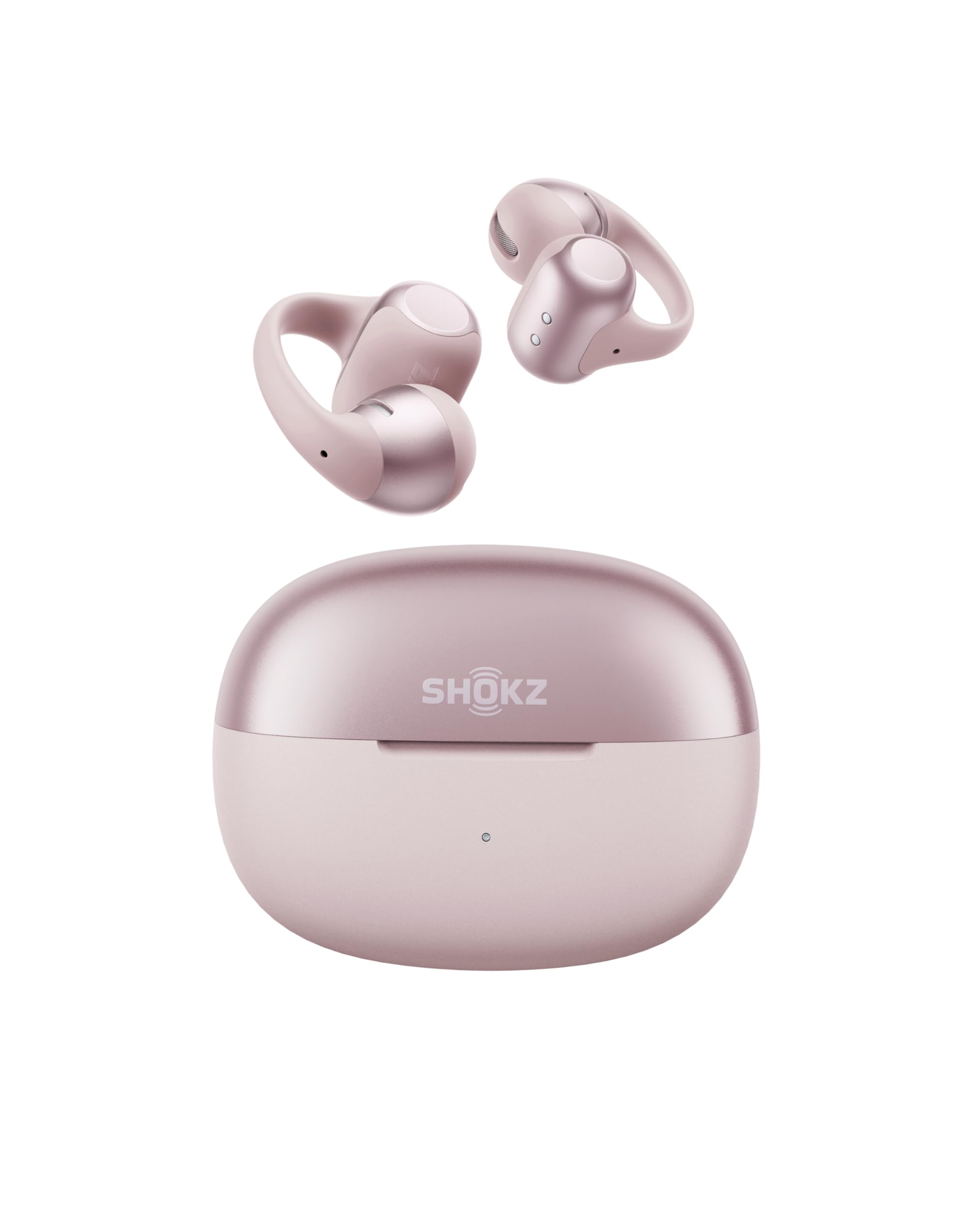
Both target listeners who want clip-on open-ear earbuds.
Consider the SHOKZ if its longer stated case total, wireless charging, and higher water-resistance rating fit your priorities; the JLab offers multipoint and Android Fast Pair, so it may suit a two-device routine.
- The SHOKZ OpenDots 2 is also a clip-on open-ear design.
- Its description lists up to 10 hours per charge and up to 40 hours with the case, wireless charging, IP57 water resistance, and app EQ.
- The JLab Flex combines a clip-on open-ear fit with more than seven hours per earbud and more than 21 hours total with its case, plus two-device Bluetooth multipoint.
Water-resistant workout alternative
37,000+ ratings
Read Amazon ReviewsSHOKZ OpenRun Mini
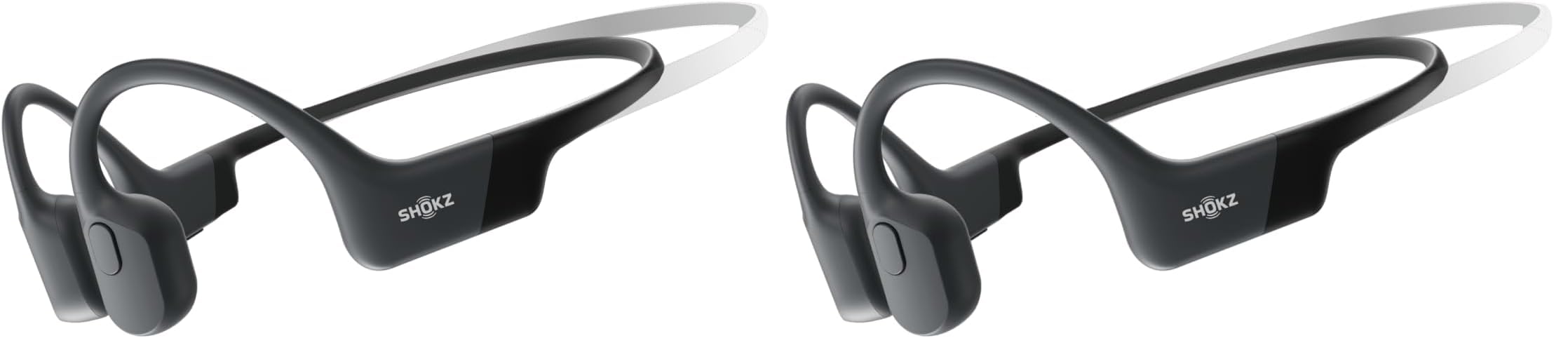
Choose between the designs based on fit and routine: the JLab Flex is a cuff-style earbud pair with a case and multipoint, while the OpenRun Mini uses a wraparound bone-conduction frame and is described for running and workouts.
The SHOKZ may fit buyers prioritizing its more water-resistant rating and quick charge; the Flex suits those who prefer separate clip-on buds.
- The SHOKZ OpenRun Mini uses bone conduction in a wraparound frame and provides eight hours of listed playtime. Its description highlights an IP67 rating and a quick-charge feature.
- The JLab Flex uses separate clip-on earbuds and a charging case, with multipoint connections to two devices and app-customizable touch controls.
Is JLab Flex Worth It?
The JLab Flex is worth considering if you want open-ear clip-on earbuds with app adjustment, two-device multipoint, and a case that extends listening time.
Its feature mix suits everyday listening and light workouts, especially for people who prefer not to place earbuds inside their ear canals.
Buy with realistic expectations about the open fit: surrounding noise stays part of the experience, and comfort depends on how the cuff sits on your ears.
If those tradeoffs fit your routine, the Flex offers a practical set of connection and customization features; if you need strong isolation or greater water protection, consider another style.
Your review at a glance
2,000+ ratings
Read Amazon ReviewsJLab Flex Open Earbuds
A clip-on open-ear choice for listeners who want music, calls, and device switching while keeping their ear canals unobstructed.
- Clip-on cuff design wraps around the outer ear, with no ear tips or pressure inside the ear canal.
- Dual 12 mm open-ear speakers sit outside the ear canal and use a bass-boost algorithm.
- More than seven hours of playback per earbud and more than 21 hours total with the charging case.
- Bluetooth 5.3 multipoint supports connections to two devices simultaneously; Google Fast Pair supports Android pairing.